

Why Model Shoots Are Essential for E-Commerce Success
Scrolling through an online store, shoppers make snap judgments in seconds. A flat product photo on a white background tells them what an item is — but a model shoot tells them what it feels like to own it. That difference is often the gap between a bounce and a sale.
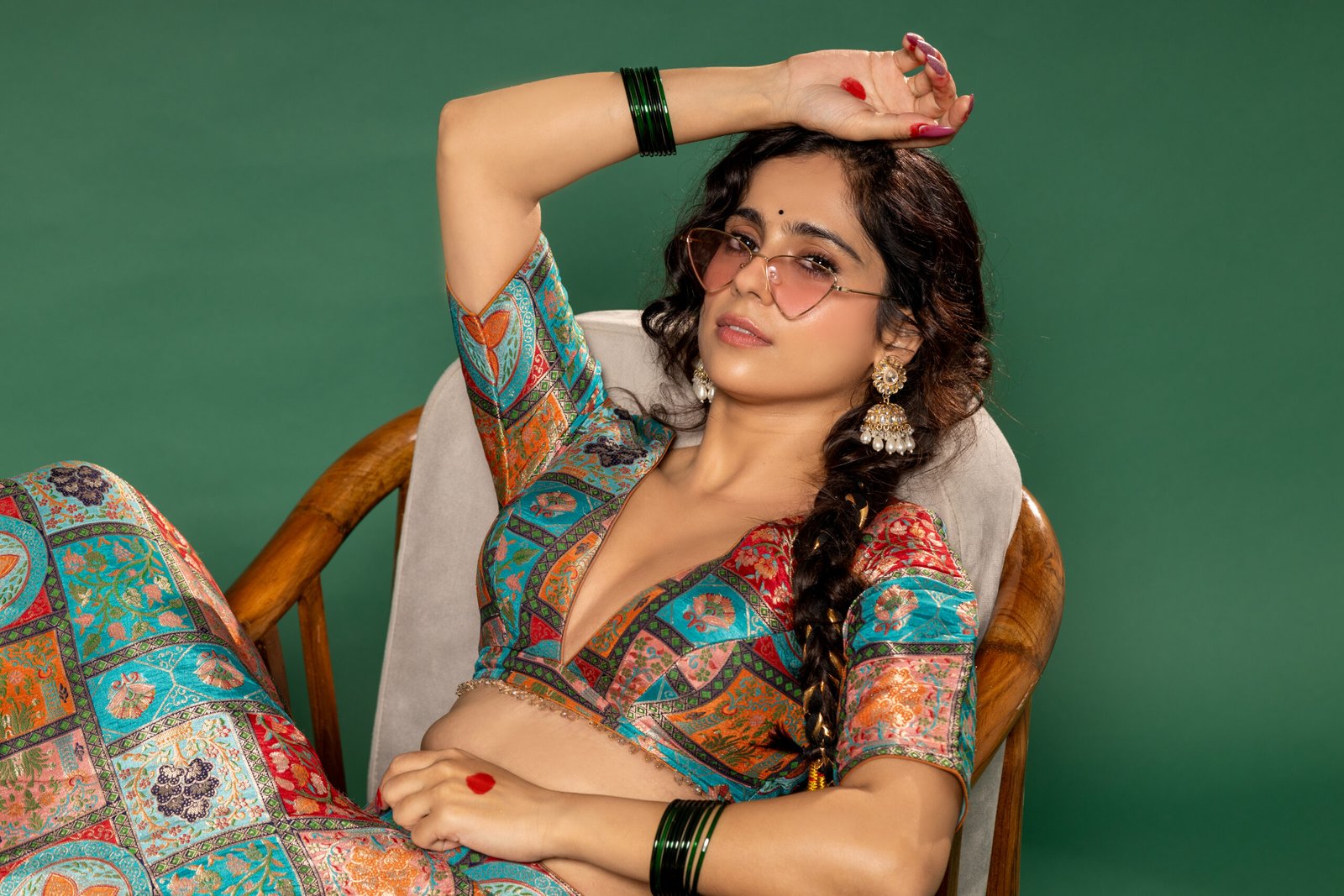
Product Shoots With Models vs. Flat Lay Photography
Flat lay and tabletop product photography still have their place — they’re clean, consistent, and great for catalog grids. But product shoots with models add context that static images simply can’t. A jacket photographed flat shows cut and color. The same jacket on a model, mid-stride, in natural light, shows fit, drape, and movement. Shoppers stop asking “what does this look like” and start picturing themselves wearing it.
This is especially true for fashion garment shoots, where texture, layering, and proportion are hard to communicate without a human frame. Accessories, footwear, and even electronics benefit from the same logic — a smartwatch on a wrist reads differently than a smartwatch on a table.
Building Trust Through Relatable Visuals
International models and diverse casting choices matter more than brands often realize. When customers see people who look like them wearing or using a product, purchase confidence goes up. This is one reason e-commerce photography and videography studios increasingly maintain a network of international models — brands selling across different markets need visuals that resonate locally, not just visuals that look polished.
Studio Sessions vs. On-Location Shoots
There’s no single right setting for a model shoot. In-studio sessions offer full control: green screen, custom backdrop and set design, controlled lighting design, and the ability to run a full team of art directors, stylists, and models without weather or crowd interference. On-location sessions trade some of that control for authenticity — a swimwear line shot on an actual beach, or streetwear shot against real city textures, tells a story a studio backdrop can’t replicate.
Most professional catalogue photography and model catalogue photo shoots use a hybrid approach: core product-focused images shot in-studio for consistency, paired with a handful of on-location, lifestyle-driven shots for storytelling and social content.
Marketplace Optimization Still Matters
Even the best model shoot needs to be formatted correctly. Amazon product photography, Shopify product photography, and Myntra product shoot listings each have different image ratio, background, and file-size requirements. A great photo that gets cropped awkwardly or rejected by a marketplace’s upload tool never reaches the customer. Marketplace optimization — tailoring the same shoot’s output for each platform — is what turns a good photoshoot into images that actually convert across every channel you sell on.
The Bottom Line
If your product images are pulling their weight, they’re doing more than documenting inventory — they’re doing the selling. Model shoots for e-commerce aren’t a premium add-on anymore; for fashion, lifestyle, and accessory brands, they’re close to table stakes. Pair strong model photography with tabletop shots for detail, and marketplace-ready formatting, and your online store stops looking like a catalog and starts looking like a brand.

Looking to plan a model shoot for your online store? Our team handles everything from model sourcing and styling to marketplace-ready delivery for Amazon, Shopify, and Myntra listings.